12/12/2025
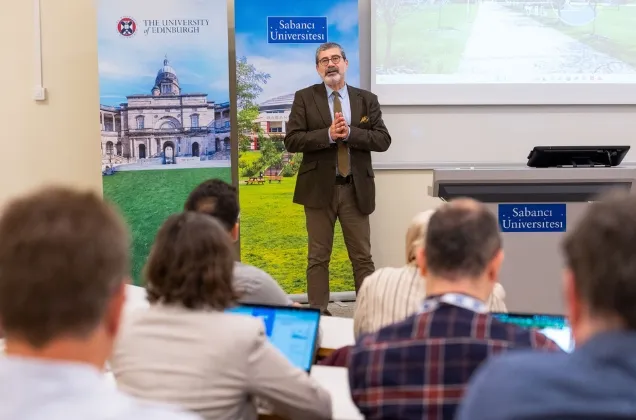
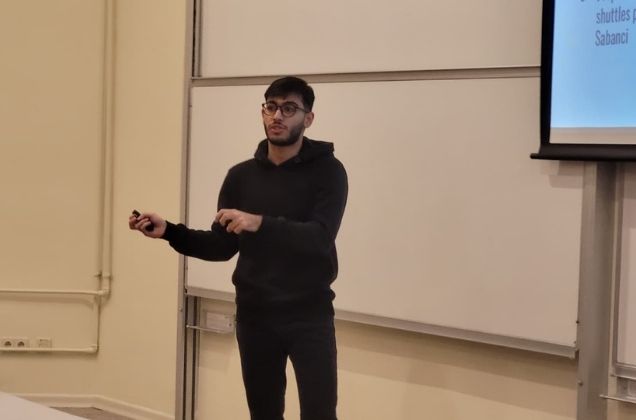
As part of the MGMT 301 course taught by Prof. Dr. Zafer Yenal at Sabancı University, students presented comprehensive projects focusing on three different areas of sustainability in order to develop concrete solutions for campus life.
The sustainability-themed projects prepared by three student groups are based on both data-driven analyses and implementable suggestions under headings such as On-Campus Transportation Emissions, Social Sustainability and Well-being, and Sustainable Living Habits in Dormitories.
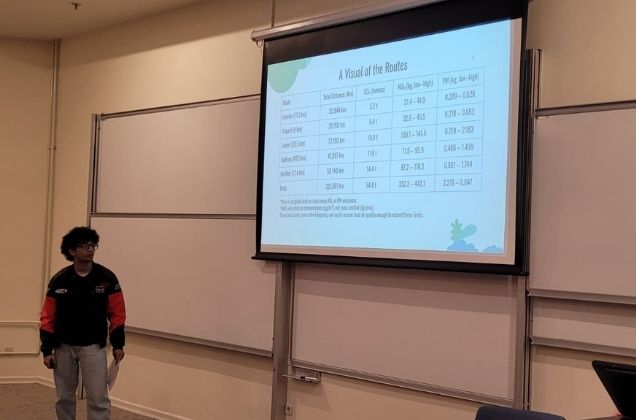
On-Campus Transportation and Emissions: Electric Shuttle and Smart Scheduling Proposal
The students' first project analyzed the carbon footprint created by on-campus shuttle services. The survey shows that 72% of students are in favor of the transition to electric or hybrid shuttle services. The research, which also examined shuttle occupancy data, included suggestions to address the need for improvement. Among the suggestions brought forward by the students are applications such as the use of solar-powered charging units and smart service scheduling.
Social Sustainability, Accessibility and Well-being: The Invisible Burdens of Campus Life
The second group, presenting within the scope of the MGMT 301 course, addressed sustainability not only as an environmental issue but also as a social one. Students examined elements such as workload, burnout, accessibility, and economic barriers.

The presentation highlighted the academic and social processes at Sabancı University that have fostered community integration, social awareness, and a culture of solidarity for years, particularly through the work done under the CIP (Civic Involvement Projects) umbrella. It was also emphasized that "exam-free weeks" could be established, especially towards the end of semesters, to protect students and ensure their psychological well-being in the stressful environment created by the intense exam schedule. The students' study also discussed the negative impacts of rising living costs (food, transportation, dormitories) and spatial and physical accessibility on students. Ensuring the continuity of psychological support was another recommendation underlined in the study.
Sustainability in Dormitories: Energy Conservation, Waste Separation, and Behavioral Change
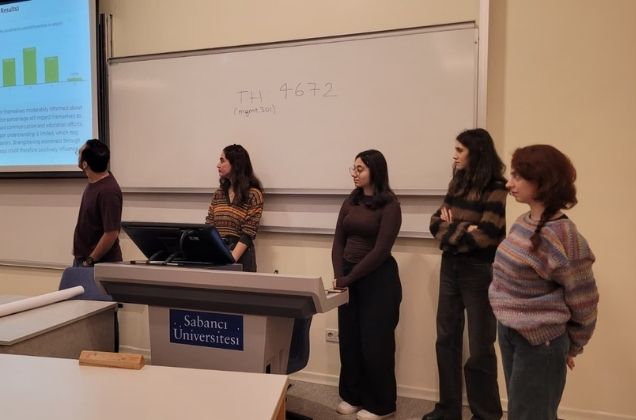
The third group presenting under MGMT 301 conducted a comprehensive audit evaluating sustainability practices in dormitory life. The survey and physical observations conducted with 36 participants revealed that students are interested and willing to engage with sustainability issues. However, the study highlighted areas of limitation in terms of knowledge and trust. The study suggested that sustainability motivation cannot come solely from students, but needs to be supported by infrastructure and regular information sharing regarding sustainability actions on campus.
“Small steps towards global goals”
Prof. Dr. Zafer Yenal stated during the presentations that students, by viewing campus life as a laboratory, generated valuable insights in terms of both social and environmental sustainability, emphasizing that this is precisely the aim of MGMT 301.
Adding new perspectives to Sabancı University's sustainability vision through the active participation of students, these three projects offer concrete suggestions pointing to feasible steps on the campus.
MGMT 301 is the only compulsory course of the Sustainability Minor Program, which embodies Sabancı University's sustainability vision and is a product of its pioneering steps in this field.